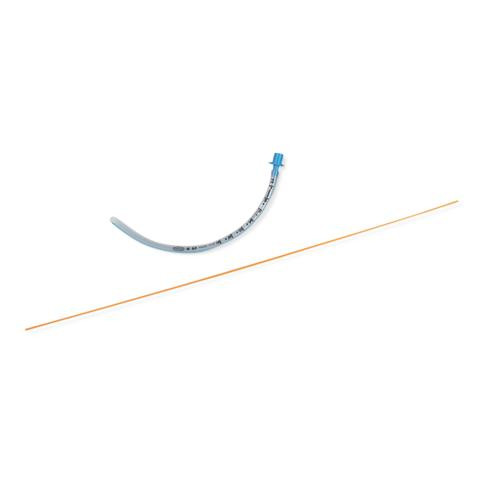
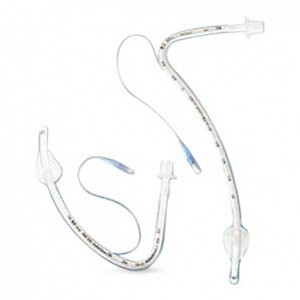
The ICU Medical Bivona Endotracheal Tube is an essential device in airway management across numerous medical settings, including intensive care units, operating rooms, and emergency departments. Featuring a wire-reinforced design, these tubes ensure flexibility and maintain shape integrity,
facilitating ease of insertion and preventing kinking during critical procedures. Available in a range of sizes such as 2.5mm ID or 8.5mm ID, each offering precise fitment for patients from pediatric to adult. The range includes both cuffed and uncuffed options ensuring optimal application according to clinical needs. Soft biocompatible materials make them comfortable for extended use, while the Aire-Cuff design provides an additional sealing feature for enhanced performance.
The ICU Medical Bivona Endotracheal Tube is an essential device in airway management across numerous medical settings, including intensive care units, operating rooms, and emergency departments. Featuring a wire-reinforced design, these tubes ensure flexibility and maintain shape integrity,
facilitating ease of insertion and preventing kinking during critical procedures. Available in a range of sizes such as 2.5mm ID or 8.5mm ID, each offering precise fitment for patients from pediatric to adult. The range includes both cuffed and uncuffed options ensuring optimal application according to clinical needs. Soft biocompatible materials make them comfortable for extended use, while the Aire-Cuff design provides an additional sealing feature for enhanced performance.
1. What is the primary use of the ICU Medical Bivona Endotracheal Tube?
These tubes are utilized to provide and maintain a clear airway during surgeries, mechanical ventilation, or in emergency situations requiring assisted breathing.
2. Are there different sizes available for pediatric use?
Yes, the Bivona Endotracheal Tubes come in multiple sizes specifically designed for pediatric patients, including tube sizes with smaller internal diameters and lengths.
3. How does the wire in these tubes enhance functionality?
The wire reinforcement within the tubes ensures they remain flexible yet stable, reducing kinking and aiding in accurate placement during medical procedures.
4. What is the difference between cuffed and uncuffed variants?
Cuffed tubes contain a balloon (cuff) that can be inflated to secure the tube in place and provide an airtight seal. Uncuffed tubes lack this feature, typically used in infants and young children.


 Recommended5 variants






 Recommended6 variants
 Recommended3 variants
 Recommended6 variants
Similar products to the one you are viewing.
 Similar Product51 variants
 Similar Product14 variants
 Similar Product4 variants
 Similar Product11 variants
 Similar Product5 variants
 Similar Product
 Similar Product45 variants
 Similar Product
 Similar Product3 variants