


 Recommended5 variants





 Recommended6 variants
 Recommended2 variants
 Recommended3 variants
Similar products to the one you are viewing.
 Similar Product4 variants
 Similar Product
 Similar Product5 variants
 Similar Product6 variants
 Similar Product10 variants
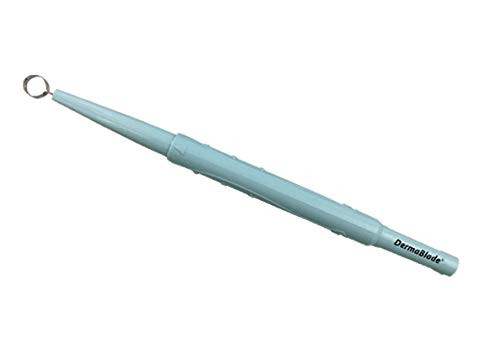
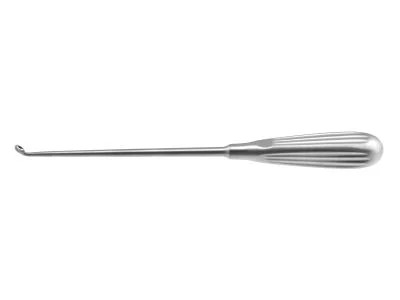
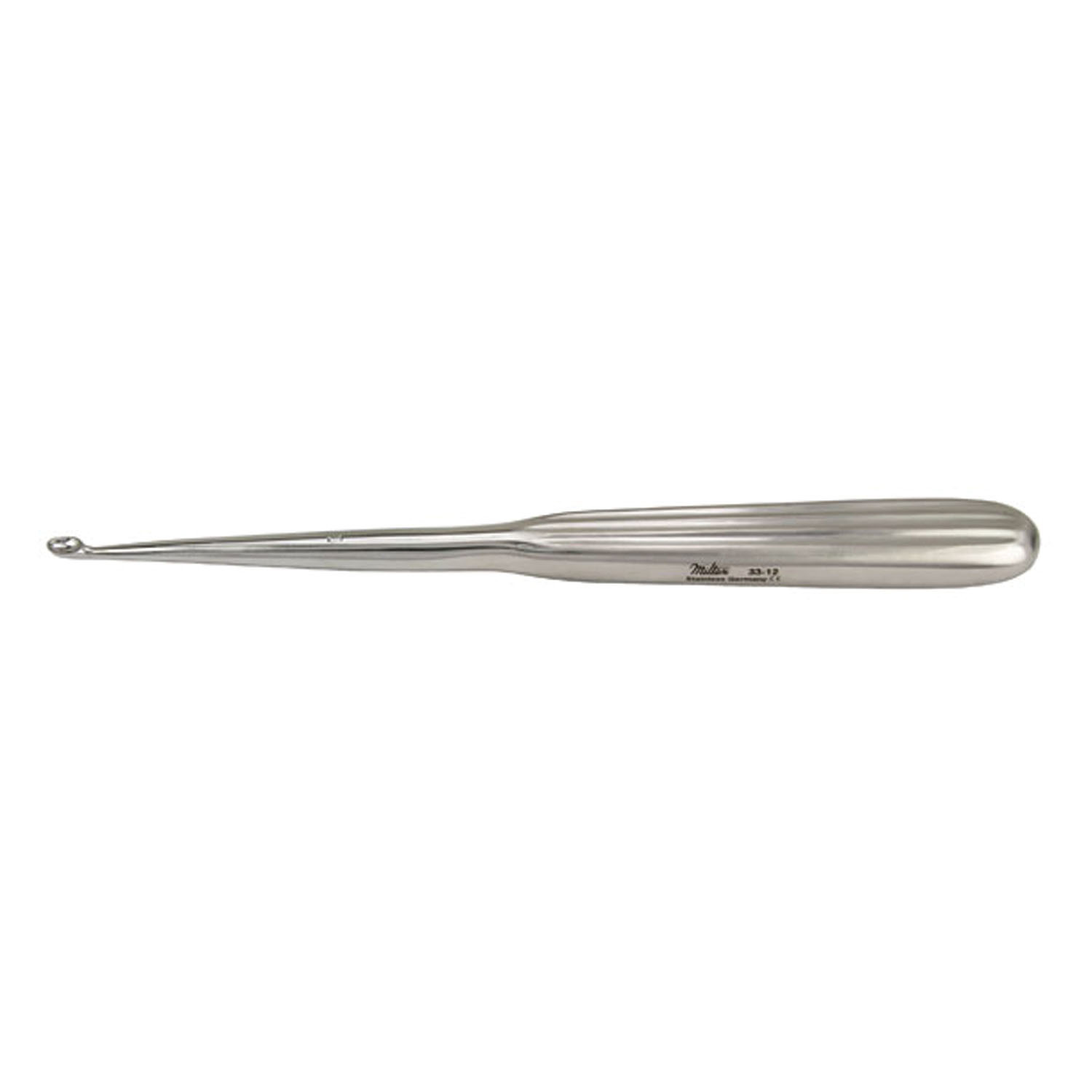
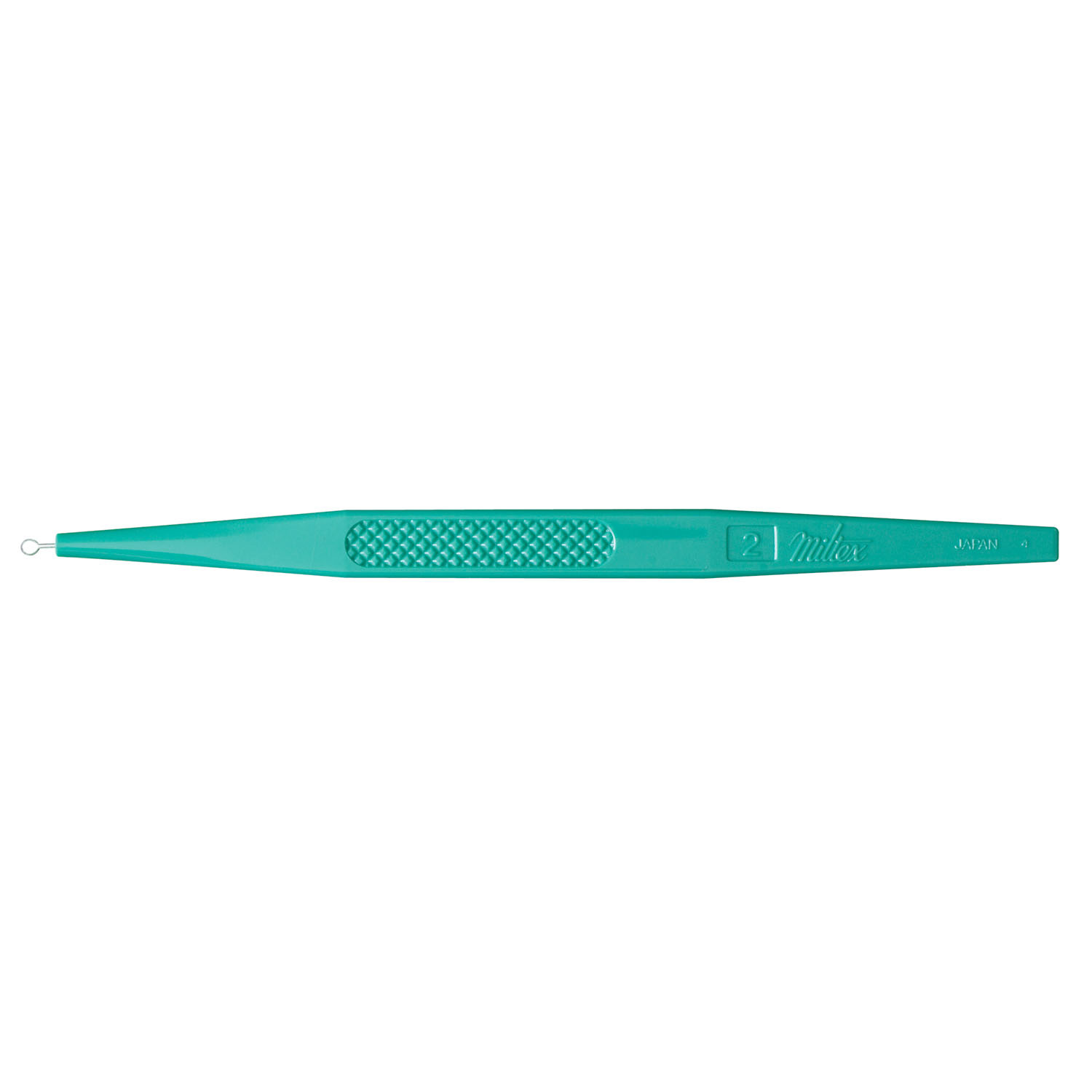
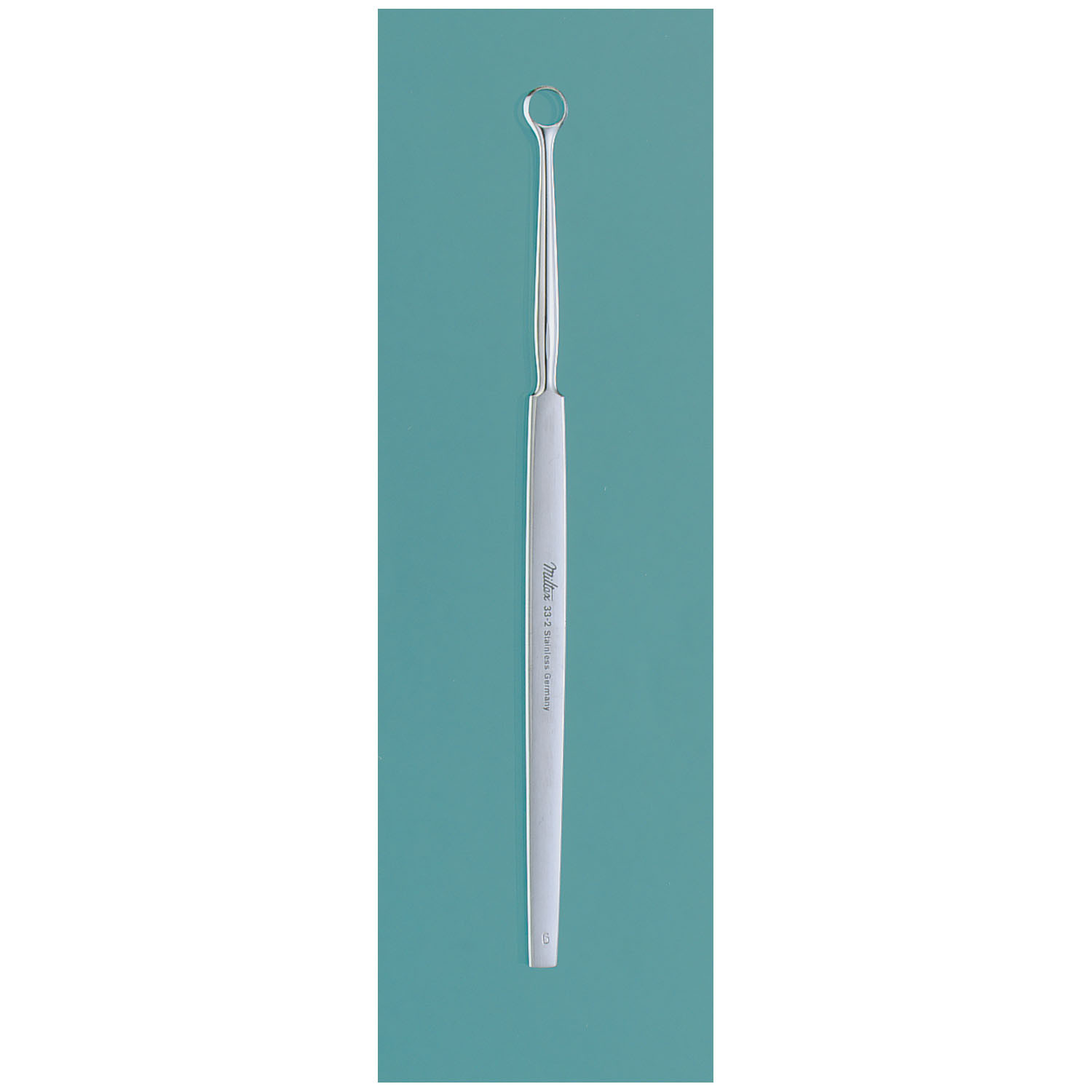
The Aspen Surgical Curette offers unparalleled precision for medical professionals. Created with high-quality materials, these curettes are designed for meticulous tissue scraping, biopsy, and tissue removal across various medical and surgical specialties. Their ergonomic handle design ensures that practitioners can maintain a secure grip, thereby reducing hand fatigue during lengthy procedures.
The range includes specific designs such as the Microsect® Curette with forward and backward angles, Rhoton® Micro Curette for neurosurgery, and the Symmetry® Sims Uterine sharp curettes for gynecological procedures. Featuring accurate tip sizes and advanced construction, these curettes guarantee an enhanced surgical experience, ensuring both patients' safety and surgeons' satisfaction.
The Aspen Surgical Curette offers unparalleled precision for medical professionals. Created with high-quality materials, these curettes are designed for meticulous tissue scraping, biopsy, and tissue removal across various medical and surgical specialties. Their ergonomic handle design ensures that practitioners can maintain a secure grip, thereby reducing hand fatigue during lengthy procedures.
The range includes specific designs such as the Microsect® Curette with forward and backward angles, Rhoton® Micro Curette for neurosurgery, and the Symmetry® Sims Uterine sharp curettes for gynecological procedures. Featuring accurate tip sizes and advanced construction, these curettes guarantee an enhanced surgical experience, ensuring both patients' safety and surgeons' satisfaction.
1. Are these curettes reusable?
Most surgical curettes are made from durable materials and can be sterilized for reuse unless specified as single-use only.
2. What procedures are these curettes suitable for?
Curettes are versatile tools ideal for scraping tissue, performing biopsies, or cleaning bones in various surgeries.
3. How should the curettes be sterilized?
Curettes should be sterilized following the manufacturer's guidelines, typically using standard autoclaving procedures.